Importance
1. Importance
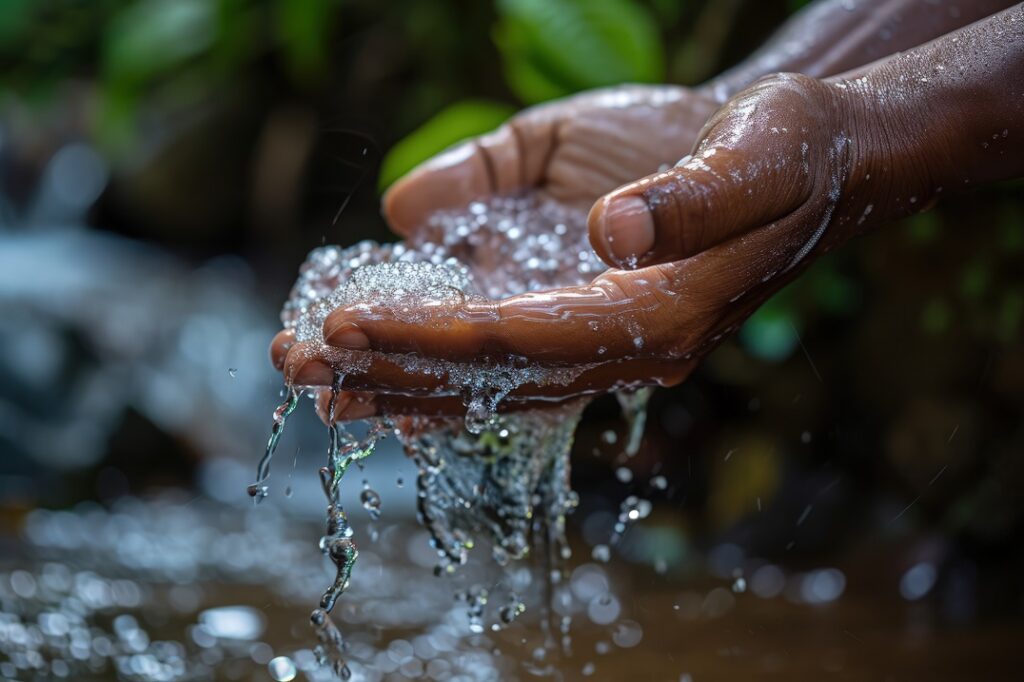
Access to clean water is a matter of survival and basic health, and it directly contributes to economic and social progress. Without access to clean water, mortality and morbidity rates would spiral out of control. This has significant implications for economic productivity, as poor health reduces worker productivity and limits young people's ability to acquire necessary human capital. Water is also crucial for the economy through agriculture, where access to irrigation is essential for agricultural productivity. Social progress would be undermined without access to clean water, as the primary burden of obtaining water falls on girls and women, constraining their opportunities and perpetuating gender imbalances.
The situation with modern sanitation is similar to that of clean water access—in many ways, they are directly linked. Sanitation is the system used to manage and dispose of human waste, which requires water availability. Without proper sanitation, childhood and adult mortality and morbidity rates would be far higher both locally and globally. Lack of modern sanitation causes poor health, reduces productivity, and retards social progress. Sanitation is particularly important in dense urban settings, which is highly relevant for the Gambian context given the country's high urbanization rate.
2. The Status Quo in Water and Sanitation
Effective access to clean water for all households at all times is still far from universal in The Gambia. There is even less effective access to sanitation services.
Drinking Water
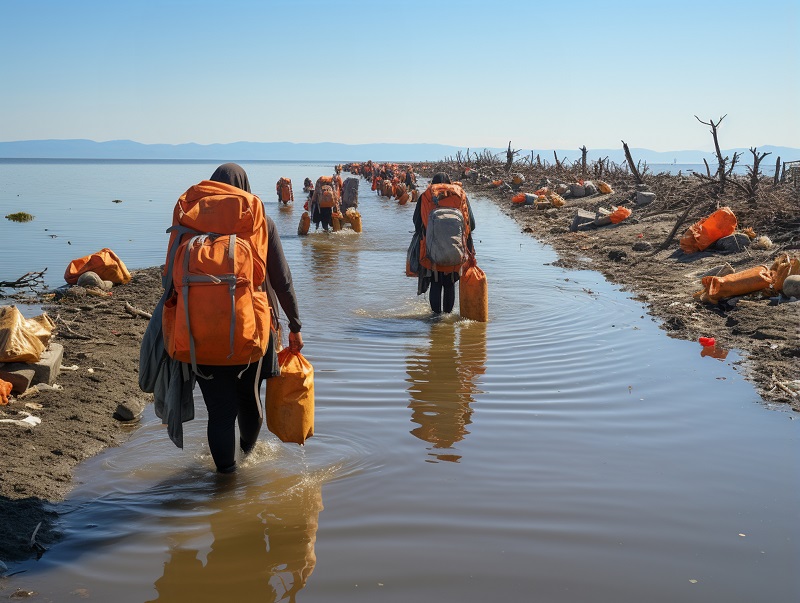
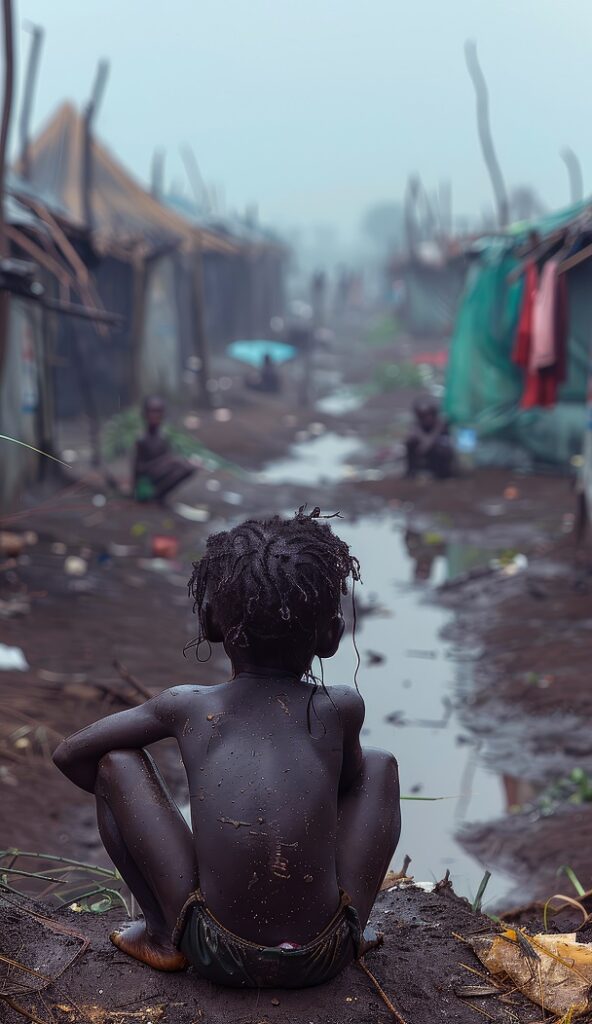
According to official statistics, about 80% of Gambians have access to clean water. However, the reality is that effective water access for Gambians is highly limited. As with energy indicators, water access indicators can be misleading. A village may have a borehole system that produces clean water, but the actual supply might be limited to only a few hours per day, forcing the village to rely on open wells for most of the day. Access indicators would still suggest that the village has water access, but the reality is quite different. In most rural areas and many parts of urban Gambia, this limited access is prevalent.
Even the water supplied by NAWEC to urban areas has not met the required quality standard. Recent audit reports have found animals and algae growing in water facilities that should have been treated. Required testing equipment is lacking, which means that the SOE does not have the required capacity to fully guarantee the quality of the water it supplies. Indeed, water supplied by NAWEC has been found to be actually contaminated.
Water for Irrigation
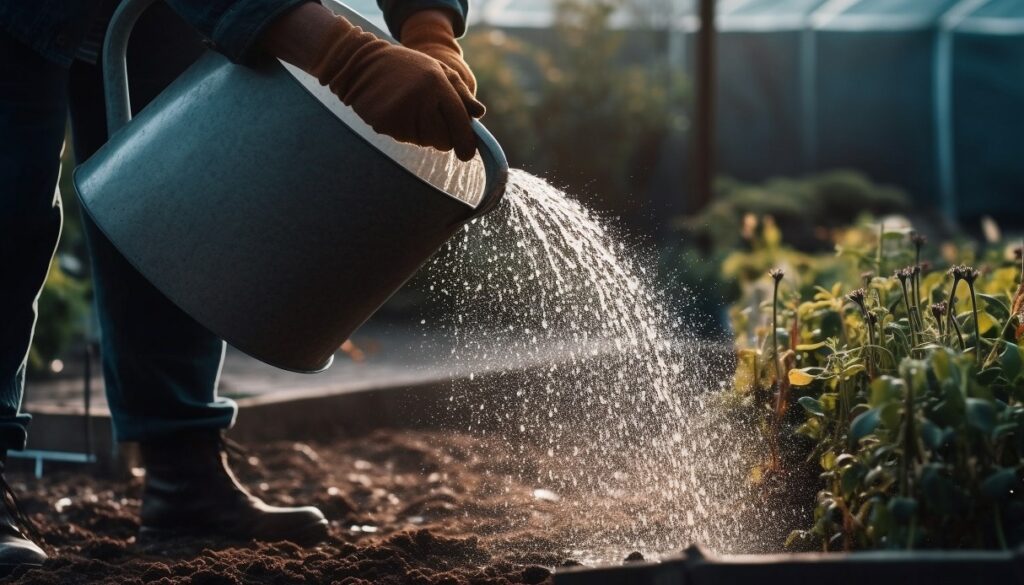
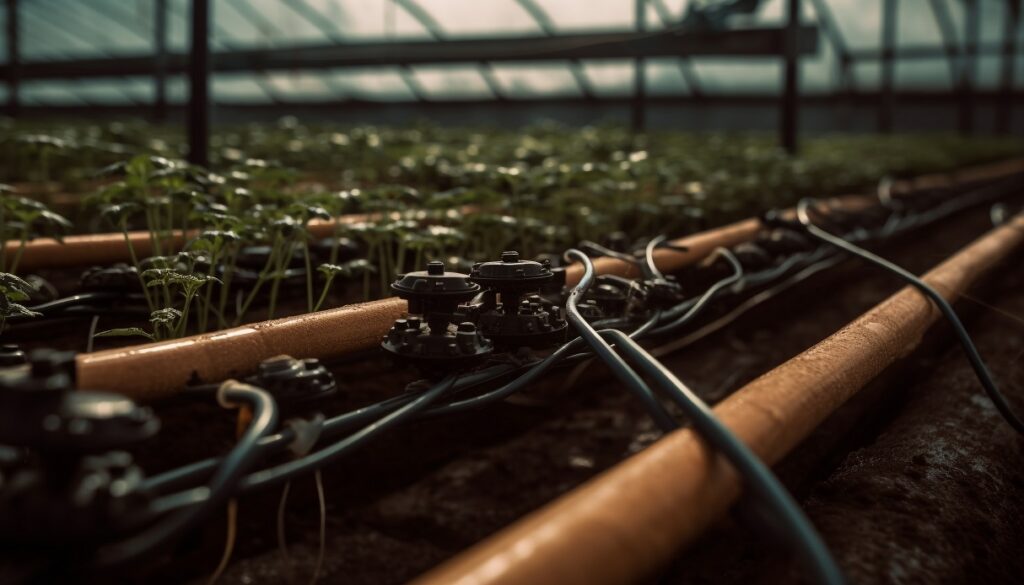
Gambian agriculture is largely rain-fed, which means there is little irrigation. This has negative effect on agricultural yield. In addition, the country has hundreds of village horticultural gardens where most of the vegetables consumed in the country are grown. However, one of the biggest challenges these gardens face is accessing water for crop irrigation. Most gardens do not have boreholes and depend on wells where water must be manually drawn - backbreaking work that should not be acceptable in this day and age. The few gardens that have boreholes must ration water because borehole capacities are often inadequate relative to garden size. None of these gardens have borehole systems constructed by the government. Instead, the limited help village horticultural gardens receive comes from charitable donations and non-governmental organizations (NGOs).
Water for Livestock
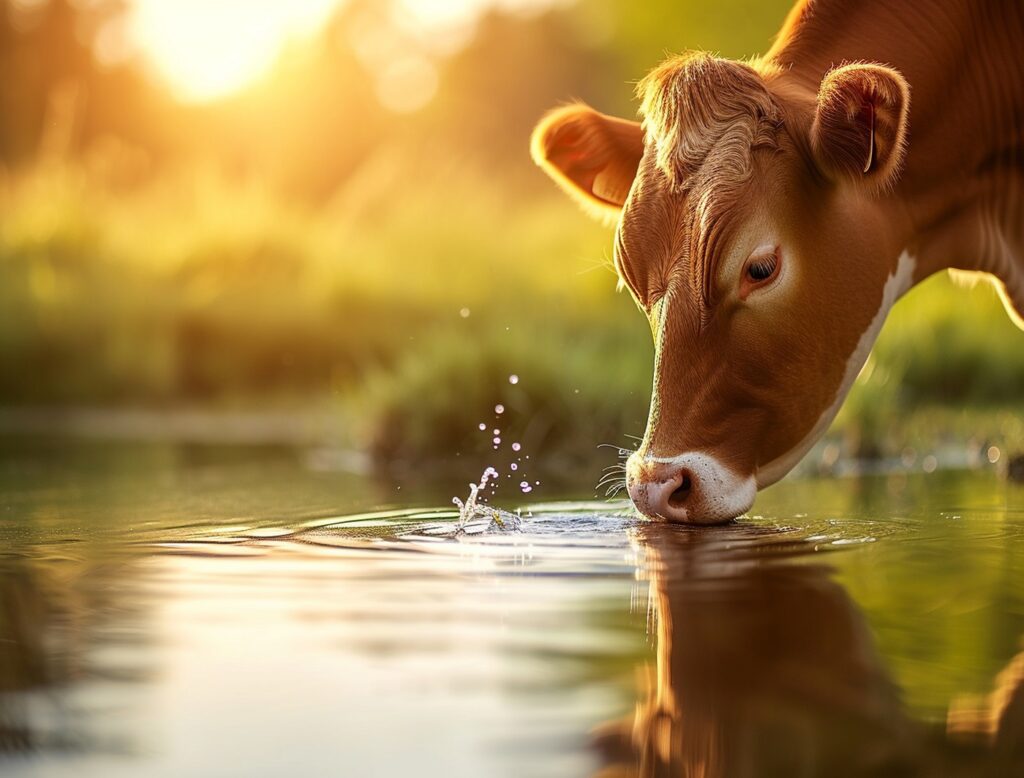
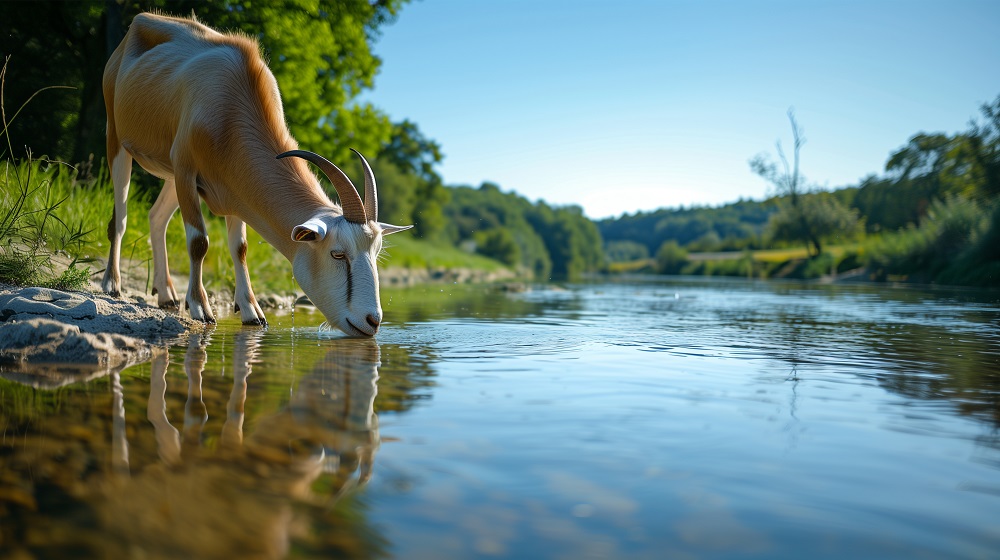
Access to water for livestock is a major issue in The Gambia. Cattle owners are forced to traverse vast distances to reach drinking points. In this process, conflicts frequently occur as cattle cause destruction to crops and other property. This is not a recipe for peaceful and productive coexistence.
Sanitation
Sanitation services for urban areas in The Gambia leave much to be desired. Most urban areas lack sewage systems. Only Banjul has one, but even that is outdated. The pipe used to discharge sewage deep into the sea is broken, causing all waste from the city to be discharged very close to the shore. The vast majority of urban households use self-provided sanitation services in the form of soak-away or septic tank systems. There are no national standards or regulations for these privately constructed sanitation disposal pits. As a result, widespread use of this method without waste treatment will eventually lead to groundwater contamination.
current state


3. Government Underperformance
There are major gaps in the current government's approach to the water and sanitation sector, ranging from outdated policies to lack of infrastructural investments.
a. No Existing Policy on Water and Sanitation: For both water and sanitation, there is currently no existing government policy. The last policy on these sectors expired five years ago. The absence of policies indicates a lack of government priority. This suggests that despite donor assistance in these areas, government intervention and project implementation are unlikely to be well-planned and coordinated.
b. Uncoordinated Drinking Water Supply: Water supply across the country is currently divided between two separate entities. Urban water provision falls under the responsibility of the National Water and Electric Company (NAWEC), while rural drinking water provision is managed by the Department of Water Resources. These two entities have no coordination mechanism for providing either potable water or managing irrigation needs around the country. The current bundling of water with electricity has long been recognized as problematic under this mismanaged state-owned enterprise.
c. No Water Masterplan: The country currently has no masterplan for the water sector. For an essential service, this is a major oversight. As a result, existing investments in this sector – such as they are – are unlikely to address long-term solutions.
d. No Investment in Sanitation Facilities: Sanitation services require substantial infrastructural investment. While no one realistically expects the current government to fully address all the infrastructural requirements in a decade, the current situation shows no investment.
intervention
4. Solutions
The PPA leadership understands that no sector functions properly in isolation. Water and Sanitation are considered together for a reason. Furthermore, their functions is intertwined with other critical sectors such as health, agriculture and many others. Therefore, the PPA-led government will implement immediate reforms in the sector through the following:
a. New Policies and Regulations: Our government will begin by creating new policies for the water and sanitation sectors, followed by appropriate regulatory frameworks for both sectors. Without an existing framework in place, and given the incompetence and inefficiencies demonstrated by the current regime, the required progress cannot be achieved.
b. Greater Coordination in Drinking Water Supply: Our government will decouple water from electricity service provision. NAWEC will be divided into two separate institutions or state-owned enterprises (SOEs). One will focus on electricity generation, transmission, and distribution. A new entity will be created to focus on sourcing, treating, and distributing of water for: (i)potable water consumption, (ii)sanitation services and (iii)water for irrigation. The creation of these new structures will be accompanied by appropriate changes in management, regulation and oversight.
c. Improve Last-Mile Connection: Having a borehole in a village or a few meters of water pipes in a town is insufficient to claim water access for that population. What matters is whether citizens can access water when they need it and without encountering great difficulty. Our government will invest in water infrastructure to increase supply and strengthen household distribution for last-mile connectivity, ensuring effective access.
d. Water Resource Management: Water is a natural resource with limited supply and must be sustainably managed. This is particularly important for commercial agriculture, where water use can be very high. Currently, The Gambia does not have many commercial agricultural firms that demand huge quantities of water, but this is bound to change. The appropriate regulatory framework must be in place for commercial water use. Our government will establish structures and learn from relevant countries' experiences in sustainable water resource management, ensuring that expansion in large-scale commercial agriculture does not come at the expense of our natural resources.
e. Water for Irrigation: Our government's plan for addressing irrigation problems is detailed in our agricultural sector position. Our goal is to transform agriculture from a rain-fed seasonal activity into a year-round activity through massive investments in irrigation infrastructure.
f. Water for Livestock: Our government's plan for addressing livestock water needs is addressed in the agricultural sector platform. It will involve investments in water infrastructure for livestock areas throughout the country.
solutions

Follow us on @ Electionify