
Importance
1. Importance of the Fisheries Sector
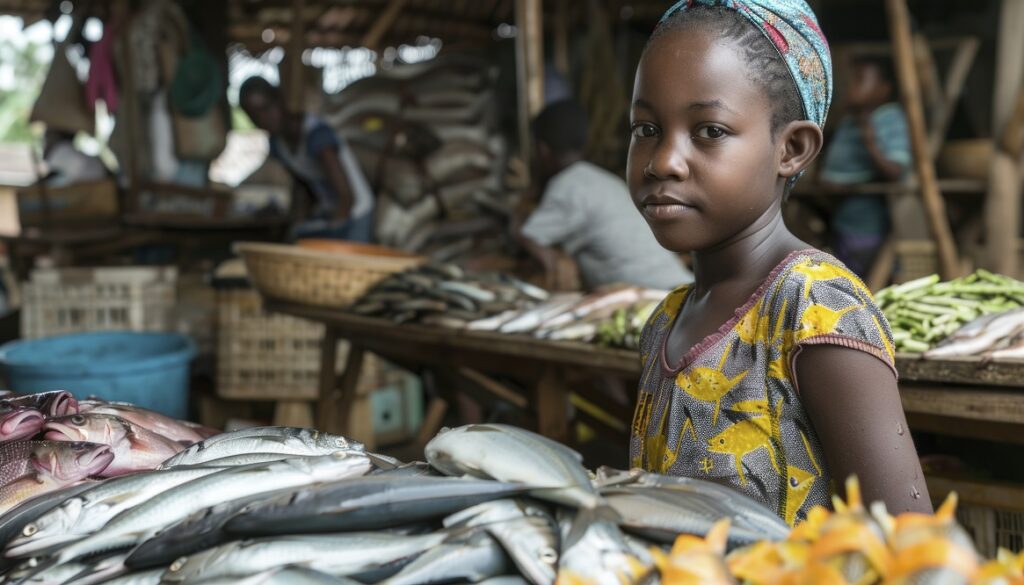
The fisheries sector has tremendous transformational potential for the country in terms of food security, job creation, and foreign direct investment. Fish is the most significant source of protein in The Gambia today. The country is fortunate to be located not only on the coast but also to have a major river running through its entire length.
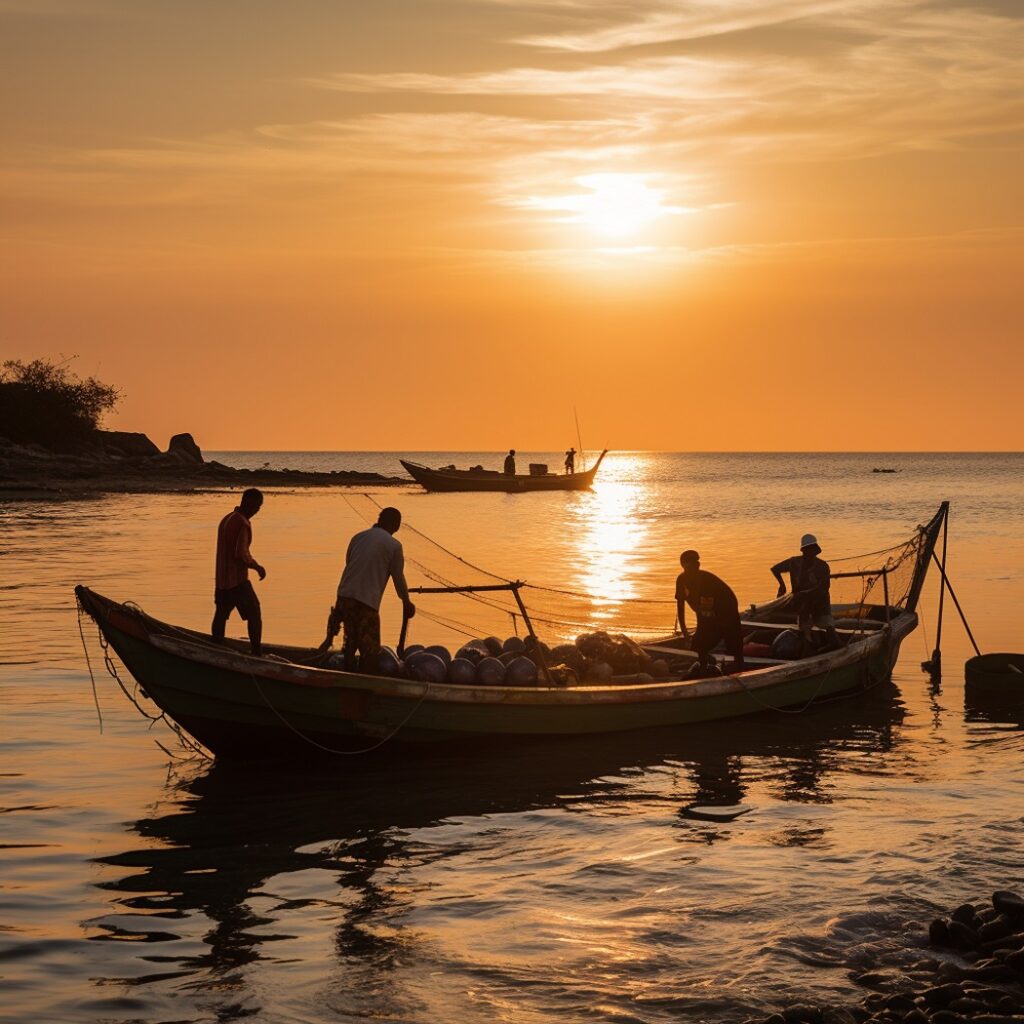
The fisheries industry's value chain is labor-intensive across all segments. It is estimated that approximately 200,000 Gambians depend on the fisheries industry for their livelihoods, spanning activities from boat making and artisanal fishing to fish processing, storage, and retailing. These value chain activities provide immense opportunities for job creation, particularly for youth and women.
The Gambia has an Exclusive Economic Zone (EEZ) of approximately 23,000 km², which is rich in fish species. The country also has a river running through its entire length, which is equally rich in marine resources. This freshwater river, combined with coastal access, means the country has access to diverse fish stocks.
2. Current Situation in the Fisheries Sector
a. High Fish Prices: One of the most concerning developments has been the skyrocketing cost of fish in The Gambia recently. As one of our main protein sources, this unprecedented price increase has had serious adverse effects on food security in the country. The unaffordability of fish is a common complaint even among well-off households.
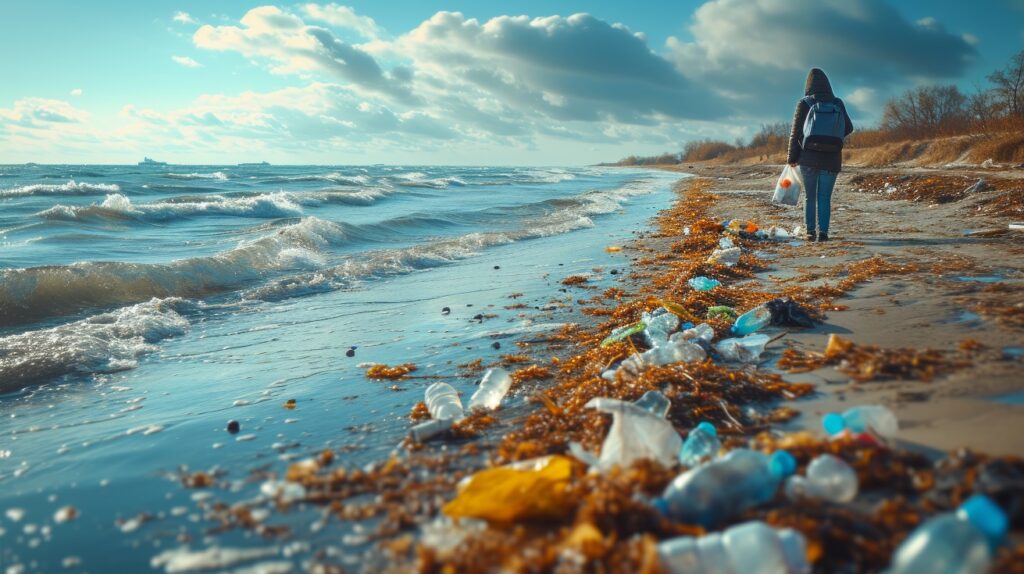
b. Low Quantity and Quality of Fish: Apart from high fish prices, the quantity and quality of fish available in the market have declined significantly. The average size of the highly consumed bonga fish has decreased substantially, indicating that fishermen are now catching fish that are too young. This foreshadows further shortages in the future since it prevents replenishment of fishing stocks.
c. Depletion of Fish Stocks: Conversations with local fishermen reveal that fish availability within a few kilometers of the Gambian coast has significantly dwindled due to overfishing. This overfishing results from the large number of fishing vessels that not only supply fishmeal companies for export but also export raw fish to Senegal without any monitoring or regulation.
c. Neglected Fish Value Chain: There has been persistent neglect of the fishing value chain, particularly affecting smallholders. These include artisanal fishermen in the upstream segment of the value chain and small-scale processors (mostly women) in the downstream segment. The concerns of local Gambian artisanal fishermen have not been taken into account, and fish processors and vendors have been completely neglected. A simple visit to fish processing sites that women use in Tanje and Gunjur demonstrates the level of neglect these groups face from Gambian authorities. However, this does not prevent the authorities from collecting daily tax from them.
d. Absence of Aquaculture: Despite the potential for aquaculture, this sub-sector remains nascent in The Gambia. Both tilapia and catfish are well-suited to aquaculture and to the Gambian climate. Furthermore, both species are in high demand in The Gambia, suggesting immense opportunities in this sub-sector. Yet, there is no thriving aquaculture industry in the country.
current state
Intervention
3. The Government's Track Record in Fisheries
The current government's track record in the fisheries sector is poor. Its record includes the following problems :
a. Weaknesses in Legislation: The country's current legislation in the sector is the Fisheries Act 2007. The Act is outdated and has not been updated for almost two decades despite significant changes in the sector. In terms of substance, there are significant problems within the Act itself. Goals, functions, and actions stated within the Act are not well-adapted to existing constraints in the Gambian context. One major gap in the Act is the lack of important roles and voices given to local communities where fisheries represent a significant livelihood activity, particularly for coastal communities. The Act provides a poor basis for the country's negotiation of fishing agreements with other countries and foreign companies. It is therefore not surprising that the country has witnessed agreements that are not in its interest. The Act is ill-informed about the needs and technical requirements of aquaculture. As a result, there are requirements that, if implemented, would stifle the development of the aquaculture sub-sector.
b. Flawed Fisheries Agreements: The Gambia entered into a fisheries agreement with Senegal that has had disastrous consequences for our country. The agreement opens our fishing waters to all fishing vessels registered in Senegal. Senegal has over four times the number of fishing vessels that The Gambia has. Moreover, at least half of the registered fishing vessels in The Gambia are actually owned by Senegalese fishermen. The agreement also allows any Senegalese-registered fishing vessel to fish in Gambian waters without reporting the volume of their catch to Gambian authorities. These clauses expose the country to overfishing and make it effectively impossible for Gambian authorities to monitor fish stocks in Gambian waters. The fishing agreement that The Gambia has with the EU is also flawed.
c. Attracting Wrong Types of Investors: Normally, a foreign investor operating in The Gambia and exporting their products would be a welcome development. However, the current government has managed to turn even such an opportunity into an economic disaster. Kombo South is home to three companies that produce fish oil and fishmeal for export. However, the operations of these three foreign companies have caused local fish shortages and environmental disasters in the local community. Investigative reports by journalists and monitoring by local environmental activists have documented corruption, bribery and blatant violations of environmental regulations .
d. No Strategy for Safeguarding Fish Stocks: Our neighboring countries (Senegal and Mauritania) observe certain periods of fishing restrictions to enable the replenishment of the fish stocks . These restrictions usually involve prohibiting nighttime fishing between June and November each year. However, this is not observed in The Gambia, which causes Senegalese fishermen to move to Gambian waters for fishing during those months, accelerating the depletion of our fishing stocks.
e. Misappropriation and embezzlement of revenues from the fisheries sector: Financial audits have documented millions of dalasi annually that are supposed to be paid as part of landing fees to the government cannot be accounted for. Either these amounts were never collected or were received but embezzled. Either way, this shows that the country’s resources from the fisheries sector are not being safeguarded.
4. PPA's Solutions to the Sector
It is high time that our fisheries sector contributes to food security by sustainably increasing the supply of protein in the market at affordable prices. It can also create employment opportunities for disadvantaged groups such as youth and women—groups that have been completely neglected by the government in this sector. The PPA-led government will reorient the sector and implement a growth strategy through the following actions:
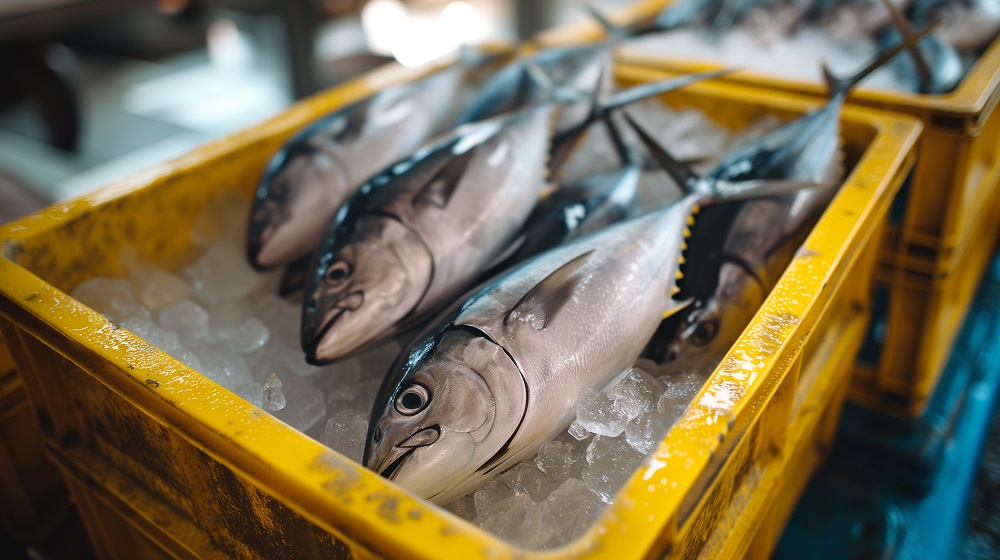
a. Renegotiation of Fishing Agreements: Our government will ensure that the country's fish stocks are not depleted by controlling and monitoring the amount of fishing done by foreign vessels and fishermen. This will necessitate renegotiating the agreements signed with Senegal, the EU, and other foreign companies. Future agreements with investors or countries will be negotiated with the country's interests being central. All foreign vessels that fish in Gambian waters will be required to report their catch to ensure close monitoring of fishing volumes and prevent depletion of our fish stocks.
b. Develop Infrastructure for Local Fishing: The PPA-led government pledges to invest in fish processing plants, storage facilities, landing sites, and retailing centers whose outputs are meant for the local market. To help finance these infrastructural investments, our government will allocate proceeds from fishing licenses and fishing agreements with other countries. Currently, no such allocation is made, and the sector sees almost no benefit from resources earned from the sector. Small-scale businesses (including artisanal fishermen) and women engaged in fish processing need to be provided with state-of-the-art facilities. The country has already seen the consequences of poor infrastructure, lack of training, and absence of monitoring when it was discovered that some small-scale processors were using toxic pesticides on fish during processing.
c. Promote Aquaculture: The first step in this area would be to update the Fisheries Act 2007, which is not only outdated but contains provisions that would actually hinder the sub-sector. Some of these problematic areas include mandating unrealistic processes and restricting movement of fingerlings. Beyond improving this legislation, the PPA-led government will actively support the country's aquaculture sector by promoting the production of high-quality tilapia and catfish. This will also include developing the capacity to locally produce quality fish feed, which is as essential to aquaculture as local poultry feed production is to the poultry sector. This illustrates another important economic intersection where agriculture, industrialization, and fisheries converge.
solutions
d. Enforce Environmental Regulations: The PPA-led government will ensure that investments in the fisheries sector do not come at the expense of the environment. The environmental destruction we are witnessing in Gunjur will not be tolerated by our government. Our existing environmental laws and regulations will be strictly enforced, while any gaps will be addressed. Companies (foreign or local) will be held accountable for violations.
e. Create a Coast Guard: The size of The Gambia’s EEZ is approximately 23,000 square kilometers, which represents a major economic resource for the country in this sector. The PPA leadership recognizes that the country can only benefit from the value of this EEZ if it can be protected. Currently, the Gambian navy does not have the means to do so because it is poorly funded and not trained or equipped to protect the country’s EEZ. What the country needs is a coast guard rather than a navy. The Coast Guard’s mission is primarily law enforcement and should entail protecting the country’s waterways and coastlines. These functions are more suited to the country’s needs than a poorly funded navy.
f. Opening up modern fishing by providing financing: Any sector in modern business needs finance in order to grow. The need for financing is even higher when capital investments are required. Businesses in modern fisheries require modern boats, sophisticated nets, sonars, guidance systems and other equipment. The start-up capital for such investments will be beyond the means of many capable fishermen. For such a strategic sector, easing access to finance would have a great developmental impact. The PPA-led government will make financing available to help capable entrepreneurs to graduate from small boats into modern fishing.
Follow us on @ Electionify