

Importance
1. Importance of Urban Planning
Urban planning involves designing and regulating land use in urban areas to improve the quality of life for residents. It encompasses multiple sectors, including transportation, housing, infrastructure development, and environmental management. A major component of urban planning includes the spatial arrangement of buildings, road layouts, planned construction of drainage systems, connections to the electricity grid, access to public water supply, sanitation, and the availability of public spaces and amenities. Efficient urban planning is especially crucial for a country like The Gambia, which is densely populated and experiencing rapid urbanization.
As a densely populated country, urban planning is absolutely critical for the efficient use of space. Our densely populated urban centers, such as the Kombos, must effectively allocate our limited spaces for residential, commercial, and public use. Urban planning must also include infrastructure planning to address current and future transportation, communication, sanitation, and energy needs. It is vital that our growing population—which has a high proportion of youth—receives particular attention regarding housing, as young people currently have little hope of owning their own dwelling unless they come from wealthy families.
2. The Status Quo in Urban Planning
The Gambia is a relatively highly urbanized country that found itself in this state without sound guidance. As a result, we are faced with the following unfortunate state of affairs:
a. High Urbanization Rate: The Gambia has one of the highest urbanization rates on the African continent. By 2024, 65% of the population lived in urban areas, which is significantly higher than the global average (58%) and the sub-Saharan African average (44%). By 2030 and 2040, this figure is projected to reach 69% and 73% respectively. Unfortunately, this rapid growth has not been accompanied by any planning whatsoever in The Gambia.
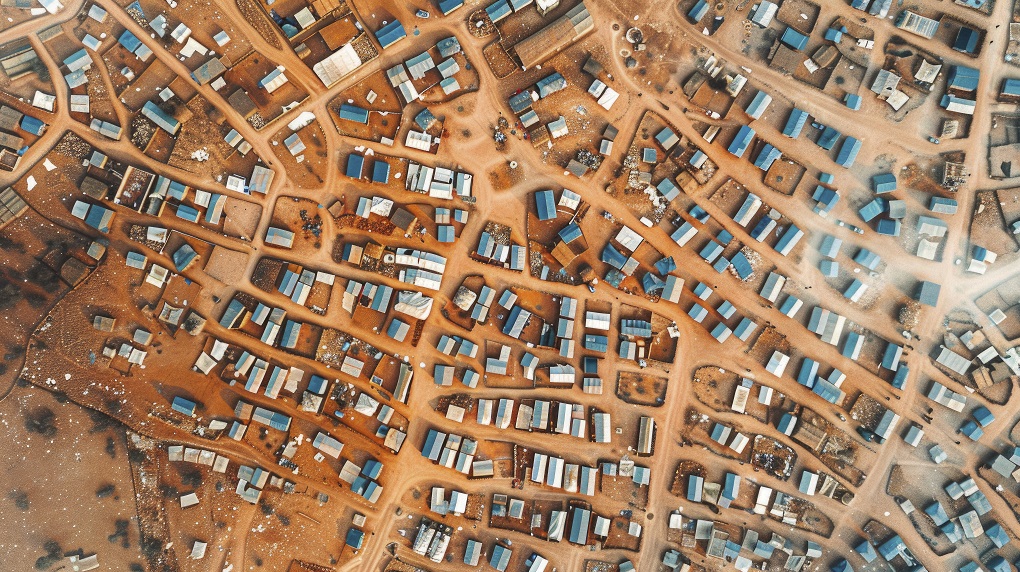
b. Chaotic Urban Expansion: The Gambia had an opportunity to ensure that our urban expansion followed good planning principles. In the 1980s and early 1990s, major parts of Kombo North were unsettled. Construction of housing in haphazard fashion then exploded. During this rapid urban expansion, there was no planning for roads, water systems, drainage systems, and public spaces, among other infrastructure. In most cases, town and village heads (alkalo) were free to dispose of lands in whatever parcels they desired in a chaotic manner. The result is a dense, sprawling metropolis where it is difficult to obtain land for public infrastructure. This lack of planning continues to this day even in the construction of modern roads. Major roads such as Sukuta-Jabang road involved no planning for drainage systems.
c. High Land Costs: Given the high urbanization rate and dense population, it is not surprising that land prices are rising extremely fast. The high land cost is a combination of many factors, including the absence of alternative investments opportunities. The increasing cost of land has made it the most attractive asset for investment for many people, which has further fueled its dramatic price increases. This has distorted not only the market but other asset classes as well. Furthermore, these high land prices have implications for home ownership for the next generation—today's youth.
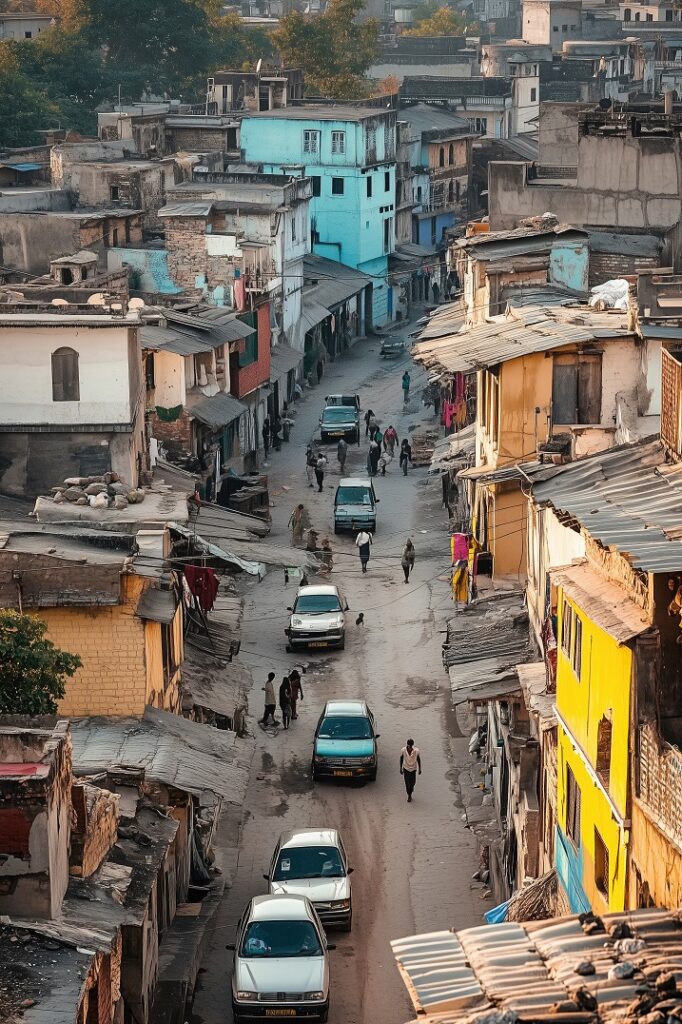
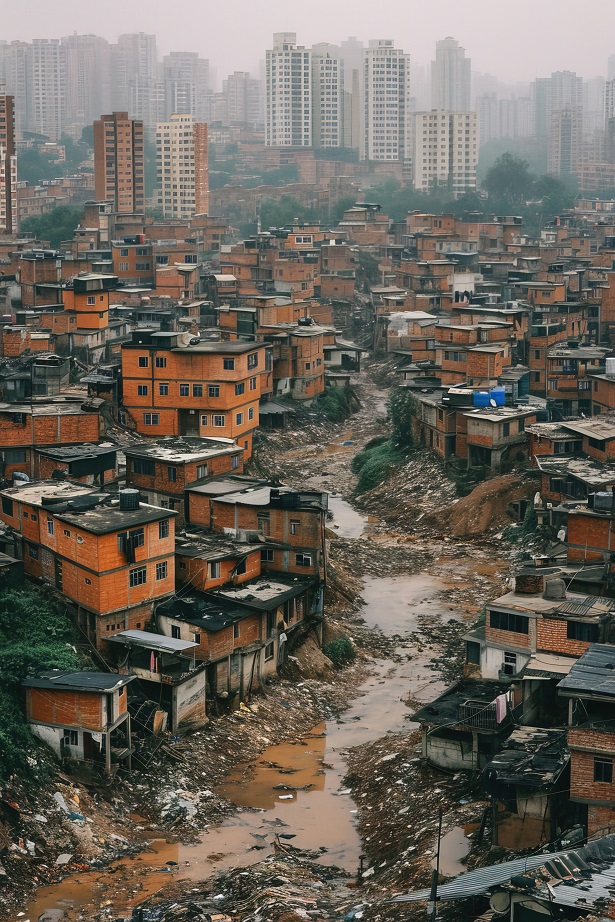
d. Poor State of Housing: Most housing in the urban areas of The Gambia can best be characterized as informal. This means that, outside of a few new development areas, housing permits are very rarely issued and building codes are seldom followed during construction. This results in substandard structures that are unsafe and often unsanitary. Moreover, they are built without any coordination to ensure access to public utilities.
e. Inefficiency: The current nature of housing in urban Gambia is characterized by inefficiency. Efficient use of land in our urban areas would require making use of vertical space. This would allow more housing units per given area of land, and therefore enable more individuals and families to have their own homes. As urban areas have expanded, sanitation and other infrastructural problems have become even more acute.
f. Non-existent Urban Transportation System: Few things are more stressful to the average Gambian urban dweller than traveling within our towns. First, most individuals have to walk a long distance before reaching a major road. Once they reach a major road, they must take multiple taxis to travel a distance of only a few kilometers. At certain times of the day in particular locations such as Brusubi Turntable, Westfield Clinic, Tabokoto, Airport Junction in Yundum, Brikama College Campus, and many other locations, the wait can take hours to find transport. The demand for transportation cannot be met by private minibuses and small cars. This transportation problem is an important source of inefficiency in our economy.
current state

3. The Absence of Government in Urban Planning
Currently, the only government entity approaching the role of urban planning is the Physical Planning department under the Ministry of Lands. Unfortunately, this unit does not come close to addressing the issues the country currently faces in urban planning.
a. No Ministry of Urban Planning: One of the most glaring omissions in The Gambia is that there is no ministry of urban planning. For a densely populated and highly urbanizing country, this is a major failure of current and previous administrations. A ministry responsible for this sector is important for several reasons. It is needed for policy formulation and implementation. It is also needed to provide oversight since numerous types of infrastructure cut across different municipalities.
b. Out-of-date Municipality Demarcation: The current urban municipalities in our urban areas are not reflective of existing urban conglomeration or future growth. They were created decades ago when the population and its distribution were far different from today. Within Brikama Area Council today, there should be at least four additional municipalities given the growth in population and housing in Kombo North and Kombo South alone.
c. Overlooked Urban Transit: The state-owned bus service, GTSC, is mostly focused on inter settlement travel. This means there is no government solution for urban transit. This dismal state of affairs is not surprising. To see whether or not the government takes this sector seriously, one need only look at its treatment in the National Transportation Policy (2018-2027). Only a few vague paragraphs are dedicated to it in that document, with out-of-date data
intervention

4. Our Solutions for Urban Planning in The Gambia
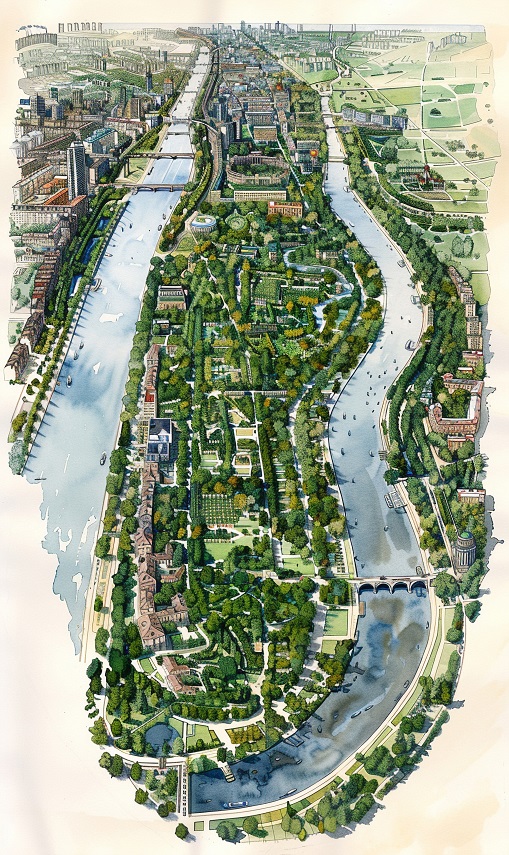
A central part of our urban vision includes detailed planning for both existing urban areas and upcoming urban development. Our existing urban areas are already dense, but the density will be managed in a way that is sustainable and conducive to urban growth and population well-being. Without well-planned growth, essential amenities such as good roads, utilities, parks, and social services such as education and health cannot be made accessible.
An urban master plan that draws its inspiration from successful urban planning in other countries will be developed and adapted to the Gambian context. The master plan will map out and direct urban development for every five-year period. It will be implemented with consultations from relevant stakeholders. At the end of each five-year period, it will be reviewed for stock-taking and improvements. This master plan will have appropriate zoning, procedures for land acquisitions, development, building codes, and plot sizes, among others.
Our government will implement the following actions, putting particular emphasis on urban design, transportation, housing, and other infrastructure:
a. Urban Design: Before a metropolitan area can expand in an orderly and sustainable fashion for the benefit of its residents, it needs to be based on a well-thought-out design. Our government will ensure that there is a modern urban design for all urban areas. This will include not only the Greater Banjul area but also other urban centers such as Basse, Bansang, Soma, Farafenni, Brikamaba, Bwiam, Kaur, the Barra-Essa-Mayamba cluster, and other emerging urban centers in the interior. All streets in all urban areas will be uniquely named. All housing units and compounds will be uniquely identifiable.
b. Better Land Administration: The process of land sales, ownership transfer, acquiring leases, and building permits will be streamlined. Our government's plans for improved land administration are discussed in more detail in the administration sector write-up.
c. Local Government Re-organization: Urban planning in The Gambia must be accompanied by significant re-organization of the local governments in the Greater Banjul area. Local government should not cover an area that is too small or too large. For example, Brikama Area Council covers an area too large for one single local government to effectively administer. Our government would reorganize the local government administration for efficient public service delivery that will accompany urban planning.
d. Urban Transit System: A major transportation master plan will be created where any further road construction or rehabilitation will be part of a larger plan as opposed to the existing haphazard manner of piecemeal road construction. Our government will invest in mass transit to improve movement and communication in the Greater Banjul area. This investment will reduce traffic congestion and remove inefficiencies that come from workers and businesses losing opportunities due to long traffic delays.
e. Important Role of Private Sector: Our government will ensure that the private sector plays the leading role where it is well suited. There will be a clear role for the government where it has a comparative advantage, which will be in the areas of planning, setting up reasonable standards, and provision of public goods. Housing units for sale, rental, or lease, as well as financing, will be the domain of the private sector. The government will only step in to address market failures and for redistribution.
f. Affordable Housing: Our government will ensure that there is affordable housing. Particular attention will be paid to youth who are not fortunate enough to inherit land. To make housing affordable, the government will pay attention to reducing the cost of construction. This will require removing import duties on cement and essential construction materials so that the cost of construction becomes affordable to the average Gambian.
g. Housing Finance: Development targets in housing cannot be met if there is no access to long-term finance. This is necessary because housing is infrastructure, which is capital intensive. Our government will encourage financing solutions and innovations to facilitate access to housing finance, particularly for young people. The entrance of new entities that are agile and able to increase the supply of housing finance will be facilitated. Our government will work with existing financial institutions to address the constraints they face so as to improve the amount of capital they allocate to the sector.
solutions



Follow us on @ Electionify