

Importance
1. Importance
Transportation infrastructure is the critical backbone of any economy. Without this infrastructure, social connectivity among people in a country will be severely restricted. For a rapidly urbanizing country such as The Gambia, a good transportation network is also vital for well-planned urban development. It is essential for any economy since an efficient supply chain requires a good transportation network to move materials and workers, as well as to get finished products to their final destinations. Other transportation infrastructure such as ports are essential for global integration. In general, robust transportation infrastructure is a major determinant of transaction costs, which in turn is a major factor in commercial viability for almost every private sector enterprise. As such, transportation plays a key role in economic development.
Transportation, like many other types of infrastructure, is unique in that it has an important public good component. This means that the spillover benefits from an investment in roads are quite high and generate many positive externalities. Because of these features, private investments would be insufficient since private entities cannot capture all the gains from the resulting investment. As a result, public investments are almost always needed.
Our focus areas under this sector are the following:
- Seaport: We focus here mainly on maritime infrastructure where ships load and unload freight, as well as passengers. This includes seaports on the coast and inland ports on River Gambia. This is an important focus area since the seaport handles about 80% of all cargo entering the country.
- Roads: This concerns all land-based routes used for the movement of people, goods, and services, and includes bridges. The Gambia has about 4,000km of road network.
- River: This focuses on all transportation on River Gambia using all kinds of vessels including boats and barges. The segment of this river within Gambian territory is about 500km and touches most districts in the country.
- Airport: This concerns the port for air travel, including both passengers and air freight. The country has one international airport – the Banjul International Airport – located in Yundum.
2. Status Quo in Transportation
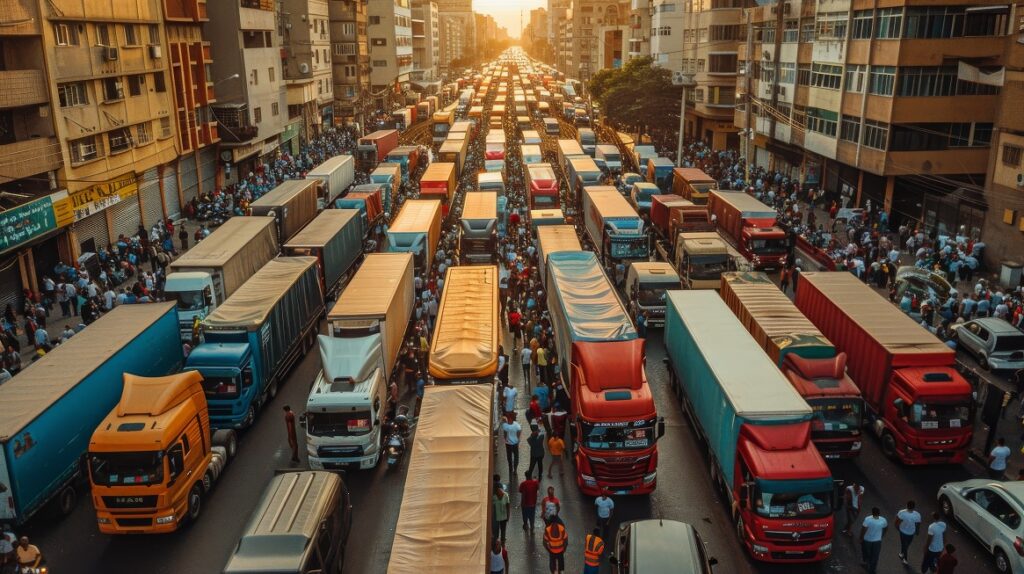
The Gambia's transport sector is in shambles. Despite some improvements, traffic congestion in urban Gambia is increasingly intolerable. In addition, many areas of our urban centers become impassable during the rainy season due to the low number of paved roads. The Gambia had an opportunity to become a regional gateway by developing a major transshipment hub, but our seaport is currently one of the least developed in the sub-region. The nation has even regressed when it comes to inland river transportation.
i. Seaport
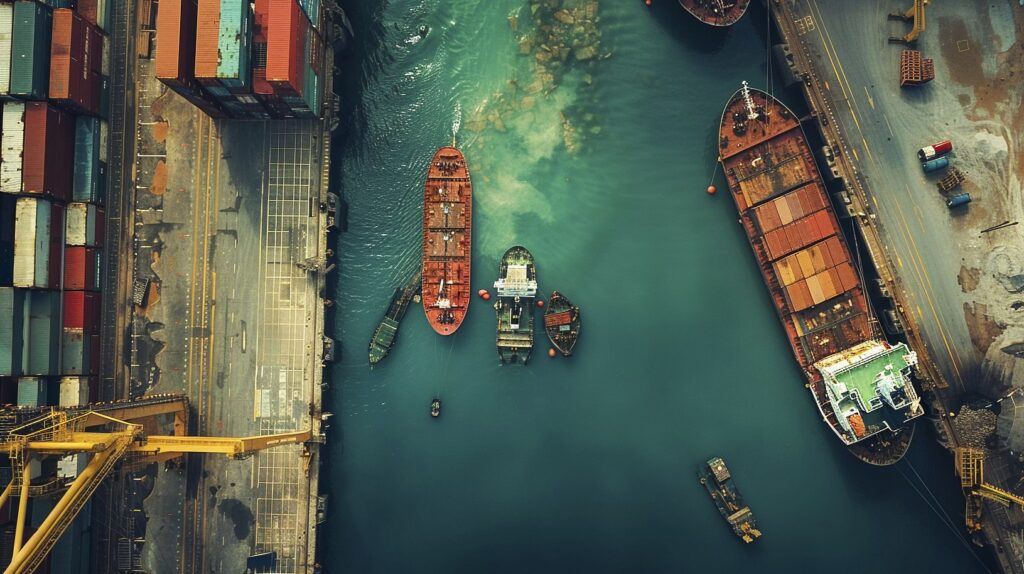
Data on the efficiency and productivity at the Banjul port is hard to come by. But one does not need data to appreciate the disappointing state of affairs at the port despite recent improvements. One has only to look at the number of Gambians who use the Dakar port for importation of items. There is nothing more damning about our state of port infrastructure than to observe our citizens using another country's port as if we are a landlocked country.
a. Long delays and high costs: The Gambia has one of the highest turnaround times for ports in the world – exceeding three weeks for many vessels. According to official statistics, the average wait time at the port is 16 days. In most countries of the world, it is less than 2 days. The average days of ships at anchor in The Gambia is about 9 days despite the relatively low traffic. These delays have cost implications. For instance, the cost of shipping through Banjul port is about 35% higher than that of shipping through the Dakar port.
b. Low port capacity: The port capacity remains low despite the fact that the country's population, imports, and trade overall have been increasing. This lack of investment in the port's capacity has resulted in significant bottlenecks. The average size of ships has been increasing, which requires increasing draughts. This means ports are now required to have bigger cranes, larger berths, and bigger storage, and our seaport is failing in this regard.
c. Poor port logistics: One does not have to look at official statistics to understand the dire situation we face at our only seaport. The process at the port is highly chaotic, and equipment frequently breaks down. It is a picture that drives home the need for change. If one is lucky enough to visit the Dakar port, one can understand why so many Gambians are opting to use that one despite having our own seaport.
ii. Roads
The Gambia has about 4,000km of roads, which includes primary, secondary, urban, and rural roads. About 85% of roads are considered to be in poor condition. Despite the fact that the current government has constructed a number of roads, several problems exist in this sub-sector.
a. Poor maintenance: The National Roads Fund is supposed to be a major source for financing the maintenance of Gambian roads. Unfortunately, this fund is chronically under-funded by the government, which prevents necessary financing of road maintenance.
b. Neglected urban roads: The road situation in urban Gambia is particularly atrocious. Whole sections of major urban centers become completely impassable during the rainy season. The general poor state of roads means that simple trips within a town end up being harrowing experiences. Most urban residents in Gambia have become so used to this sorry state of affairs that we have unfortunately come to think of it as normal.
III. River
Despite having a major navigable river throughout its length, The Gambia has no river transport system. It is non-existent for both people and goods except for seasonal transportation of some small percentage of groundnut harvests. The economic opportunities for the country in this mode of transport are immense. Waterway transport is less costly and more environmentally friendly than road transportation. Water transport also expands tourism opportunities by improving accessibility to a range of natural resources upriver. It can also reduce the cost of infrastructure maintenance by reducing the number of heavy-duty trucks that shorten the lifespan of our main roads.
iv. Airport
a. Low connectivity: The Gambia’s airport has very low connectivity with other countries. In fact, in the Global Competitiveness Report 2019, the country was ranked 137th out of 141 countries in terms of connectivity. This effectively rules out the country from the expanding and lucrative MICE (meetings, Incentives, Conventions and Exhibitions) industry.
current state



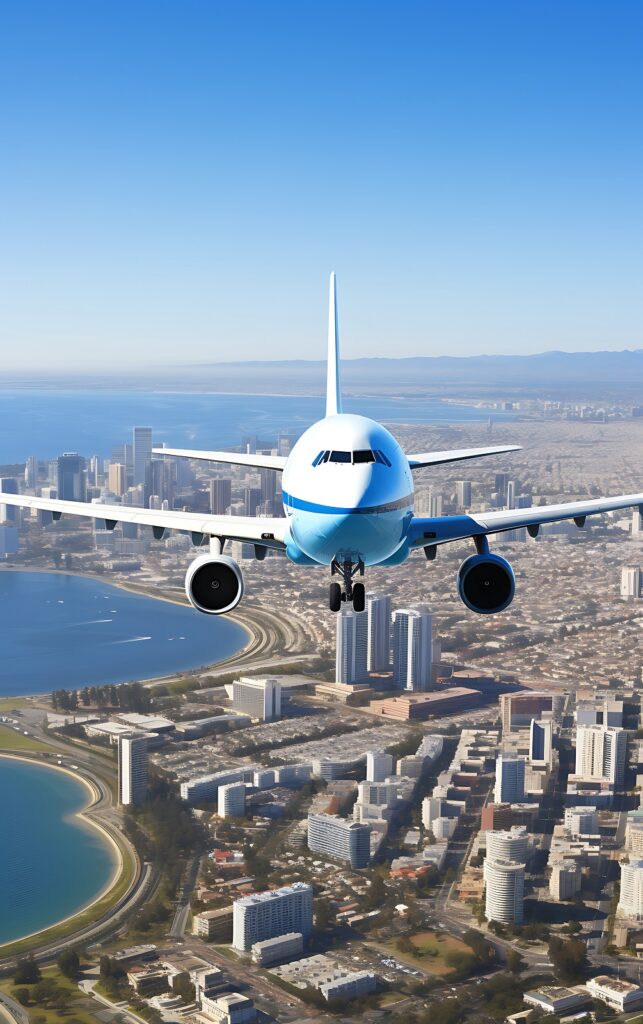
b. Poor state of infrastructure: Our main airport suffers from major infrastructure deficits in several critical sections. One of the most serious includes the absence of back-up generators where power outages have caused costly and embarrassing flight diversions. The lighting system is inadequate, which has security implications. The parking structure for vehicles is not befitting a modern national airport.
c. Security breaches: Theft of belongings from passenger luggage is a common occurrence. Excessive searching of luggage during exit is driven more by officers looking for bribes rather than implementing security protocols. Security breaches have taken an ominous turn and now even parked airplanes have been broken into at the airport.
d. Excessive fee payments: The Banjul International Airport has the distinction of forcing passengers to make cash payments upon arrival and departure. This unseemly practice is the result of a badly negotiated deal that inconveniences passengers in a uniquely embarrassing way. More importantly, it has a negative effect on tourist arrival since it is an unnecessary and nuisance tax for entering and leaving the country.
3. Government's Track Record
The government should play a critical role in this space given its positive spillover effects and demonstrated impact on economic development. The main areas of government intervention are in planning, policy and regulatory regimes, and finance-related activities. One problem that is common to all sub-sectors of the transportation sector concerns a regulatory gap. The PURA Act of 2001 indicates that PURA has the mandate to regulate transportation on land, sea, and air. Unfortunately, PURA has not included transportation in its activities since its creation. This is visible on its website where it lists the following areas of its work: broadcasting, electricity, telecommunications, petroleum, and water & sewage. There is no mention of road, sea, or air transport, implying that PURA management is not fully aware of the Act that established them. This oversight has created a major regulatory gap in the transportation sector in The Gambia.
i. Seaport
a. Absence of legal framework: The above regulatory gap is one of many missing frameworks. According to the National Audit Office, there is no legal framework for Gambia Ports Authority (GPA) to have private sector participation in its operation. Yet, this did not prevent the GPA from entering into a controversial and major seaport concession agreement that has been opaque. A testament to the importance of having a legal framework for such concessions has been the ongoing dispute between the settlement of Sanyang and the GPA over this new concession.
ii. Roads
a. Lack of plans: There is no evidence that a roads master plan exists and, if so, whether it is suitable for The Gambia's current and future infrastructure needs. A case in point is the Bertil Harding highway whose construction was not preceded by any planning. As a result, numerous patch works were done afterwards to address problems that could have been foreseen if planning had preceded the construction. In general, all the road construction under the current government is being carried out in a piecemeal and haphazard way without being part of any overall plan.
b. Lack of finance for roads fund: The road maintenance fund is chronically under-funded. The revenue that is allocated to the fund through fees and other sources is not sufficient to meet the maintenance needs of our roads. This is a sign of lack of prioritization. While the road maintenance fund is under-funded, the government wastes resources on excessive vehicle purchases that bring no value to the country.
c. Disastrous agreement: One of the most disastrous agreements signed is asset recycling with Africa50 for the AfDB-funded Senegambia Bridge. This agreement has resulted in the government losing almost US$400 million through a badly negotiated agreement. The total value that the country lost is almost equal to the value of all roads constructed by the current regime.
intervention


iii. River
The government currently views the river as an obstacle to overcome rather than appreciating the opportunities it provides for transportation. Hence, the main mode of transportation is ferries while boats and barges are almost non-existent.
iv. Airport
a. Almost insolvent Gambia International Airline: The government-owned Gambia International Airlines is an airline with no wings. This state-owned airline is on the verge of insolvency with liabilities exceeding assets by over D100 million.
b. Badly negotiated Securiport agreement: The government entered into an agreement with Securiport to provide immigration security and aviation services. This agreement was not needed because a similar system had already been provided to the country by the Japanese government. In addition, the agreement was badly negotiated since it was handled by a few individuals operating from the State House without any proper legal due diligence. This proved costly and the government paid millions of dollars to the company even before the agreement took effect. Indeed, the National Audit Office recommended that Securiport refund the government of The Gambia an amount of D164 million. However, this recommendation has not been taken on board by the government.
4. Solution
Addressing the problems of the transportation sector requires an integrated approach where the interconnected nature of all the sub-sectors is recognized. For instance, the development of a river transport system cannot be properly handled without making sure that the relevant road sections are planned and developed. Similarly, seaports and inland ports are essential components of a good river transport system. The PPA-led government will therefore put in place the needed multi-modal framework by instituting plans, improving the investment climate, incentivizing private sector participation, and making the necessary investments. The goal for our transportation sector is to create infrastructure to support the efficient movement of people and goods. Some specific actions will include the following:
i. Seaport
a. Cancellation of concession: Our government will make sure that poorly conceived concession agreements will be renegotiated or cancelled. Specifically, the Albayrak concession for the construction of the Sanyang Seaport will be cancelled at the earliest opportunity. From all indications, this agreement did not undergo proper consultations with the affected community and the selection process appeared flawed.
b. GPA Reform: A major reform at the GPA is needed. There have been well-documented cases of fraud and corruption amounting to hundreds of millions of dalasi. As part of a general reform of state-owned enterprises, GPA will undergo a major reform in management and oversight.
ii. Roads
a. Creation of a roads masterplan: Our government will develop a nation-wide road masterplan, including a detailed one for urban areas. This plan will include prioritization based on factors such as traffic, economic viability, economic impact, environmental and social concerns, among others. Such a plan is particularly needed in our urban areas given the rapid urbanization of the country. Our government understands that a proper roads plan must be developed in an integrated way by taking into account land reforms, local and municipal government reforms, housing reforms, and urban development planning, among others.
b. New generation road maintenance fund: Construction of roads without a plan for maintaining them is highly inefficient and costly. A new generation road maintenance fund will be created where revenues meant for maintenance will be ring-fenced purely for that purpose. The fund's creation will be accompanied by necessary legislative enactment to ensure that the maintenance fund is fully financed through better prioritization.
c. Renegotiation of the Africa50 concession: The Africa50 concession cannot stand as it is. It represents a major financial and economic loss for the country. The exclusion clause, which forbids the government from constructing a bridge within a diameter of 100km, is unacceptable. As a result, its renegotiation to get a better deal for the country will be a priority for the PPA-led government.
iii. River
Our government's goal is to make inland water transport the principal mode of transport for heavy-duty freight.
a. River transport masterplan: Our government will immediately develop a comprehensive river transport master plan that will be integrated with a broader transportation plan. Framework changes will include inland river legislation to provide an overall legal basis for the sub-sector. This will also include a regulatory framework for river transport such as registration of boats, navigation safety, search and rescue, crew competence standards, certification and licensing of inland vessels, among others.
b. Private sector participation: PPA leadership recognizes that private sector participation is essential for this sector to reach its potential. In particular, the financing requirement for the required infrastructural development would be more than the government can bear at this stage of our development. The required framework and investment climate would need to be in place to de-risk the sector for private investors.
iv. Airport
a. Renegotiation of the Securiport agreement: Our government will re-open the badly negotiated agreement with Securiport. This represents a bad deal for the country. The unseemly practice of travelers paying cash to enter or exit the country will be stopped.
b. Invest in airport infrastructure: Our government will invest in major renovations at our only national airport to bring it to modern standards. Most airports in the sub-region are now modern while our airport remains in the 20th century.
solutions


Follow us on @ Electionify